National Statistician’s Inclusive Data Advisory Committee (NSIDAC)
Following conclusion of the Inclusive Data Taskforce (IDTF) the National Statistician’s Inclusive Data Advisory Committee (the Committee) was established in October 2022. Committee membership was renewed in 2025, through open competition. Like the IDTF, the Committee members are a diverse group of senior academics, civil society leaders and others who collectively have wide ranging equalities expertise.
The Committee is part of the framework established initially to monitor and review progress towards the recommendations of the IDTF (recommendation 2.1). Going forward, the Committee will provide independent advice to the National Statistician to support the ongoing improvement of the inclusivity of data and evidence across the UK statistical system. The Committee may also be asked to advise or take account of advice from other ethics, methodological and assurance committees within ONS, particularly in relation to inclusive data.
From 1 September 2025, the Committee is chaired by Professor Evelyn Collins CBE. The minutes and papers from each meeting are published on the UK Statistics Authority website.
Terms of Reference
October 2025
Background
In September 2021 the National Statistician’s (NS) Inclusive Data Task Force published its report making 46 recommendations to achieve a step change in the inclusivity of UK data and evidence.
Role and responsibilities
The role of the Committee is to provide independent advice, in line with the Code of Practice for Statistics and with reference to the Inclusive Data Task Force’s recommendations, to the National Statistician for improving the inclusivity of data and evidence, across the UK Statistical System.
Specific responsibilities include:
- Advice on prioritisation of initiatives, providing scrutiny and challenge to the progress being made
- Provision of independent advice and scrutiny of approaches being developed to improve the coverage and quality of data and evidence on inclusivity
- Advice on updating harmonised data standards and guidance on personal characteristics, including the handling of consultations on changes
- Advice on improving data accessibility and evidence to the wider population
- Advice on potential collaborations to develop the work in an impactful and efficient way
- Supporting ONS and the wider Government Statistical Service with constructive challenge and advice on methodology and approaches for improving inclusive data.
Meetings
The Committee meets regularly, at least four times a year. The agendas will be constructed around the National Statistician’s remit as Head of the Government Statistical Service and Analysis Function and will cover a broad range of topics relating to inclusive data.
The Chair will provide reports on a quarterly basis to the National Statistician.
The Committee will receive papers prior to its meetings, allowing sufficient time for review.
The Committee will operate transparently. Meeting minutes and papers will be made publicly available on the UK Statistics Authority website.
To facilitate timely oversight, the Committee can consider papers via correspondence. Where papers are considered by correspondence, a minute of the discussion via correspondence will be presented at the next meeting and published on the UK Statistics Authority website.
Membership
In response to the Lievesley Review in 2024, guidance was published to enhance the transparency of the appointment process for National Statistician’s advisory committees. The guidance provides a framework for a structured, equitable, and transparent process when appointing members.
In line with the guidance the standard term of membership on appointment is three years. Members may serve up to two consecutive terms (six years), after which members must ordinarily step down. By exception, the National Statistician may wish to appoint members for a third and final term.
Membership will comprise:
- The Chair appointed by the National Statistician following open competition.
- Independent external members appointed by the National Statistician following open competition.
At time of appointment, members are asked to declare any organisational memberships or other outside interests which may be relevant to their work on the Committee. A register of members’ interests is published on the UKSA website.
If any specific item, or items, to be discussed during a Committee meeting creates, or could be seen to create, a conflict of interest for a member, that member must raise this immediately with the secretariat.
Membership of the Committee will provide for a mixture of interests and expertise. Members will be asked to contribute to debate on a wide range topics so that the Committee is able to provide advice across the diversity and breadth of the equalities data landscape.
Representatives will be invited by the National Statistician to attend the meetings from each of the Devolved Governments, the Cabinet Office and other UK and international organisations.
Quorum
Meetings will be considered quorate when four or more members are present as well as the Chair or the Chair’s delegated nominee.
Where papers are considered by correspondence, the Committee will be considered quorate when four or more members provide feedback as well as the Chair or the Chair’s delegated nominee.
Substitutes will not be permitted to attend meetings, unless with the invitation of the Chair.
Support
The Office for National Statistics (ONS) will provide the technical support to the Committee. ONS will provide secretariat support in terms of arrangement of meetings, minutes and monitoring actions.
Contributions to meetings will be sought from teams across ONS and the wider UK statistical system, including about the wider inclusive data landscape, priorities and strategic issues.
Review
The Committee will review the effectiveness of its meetings and its terms of reference annually.
Advice on the Office for National Statistics’ proposals for the Future of Population and Migration Statistics
Inclusive Data Taskforce
The Inclusive Data Taskforce has now been concluded. The work laid out in the Taskforce’s Report is now being taken forward by the ONS Centre for Equalities and Inclusion. To contact us about this work please email equalities@ons.gov.uk
In July 2020 the UK Statistics Authority launched its new strategy, Statistics for the Public Good. It sets out four core principles that will underpin the work of the statistical system over the next five years: radical, ambitious, sustainable and inclusive.
The inclusive principle states that we must ensure “our statistics and our workforce reflect the experiences of everyone in our society so that everyone counts, and is counted, and no one is forgotten.”
In October 2020 the National Statistician established the Inclusive Data Taskforce to improve the UK’s inclusive data holdings in a broad range of areas that could include:
- The 9 protected characteristics of the Equalities Act (ie age; disability; gender reassignment; marriage and civil partnership; pregnancy and maternity; race; religion or belief; sex; and sexual orientation);
- Additional areas associated with the Sustainable Development Goals (eg, income; migrant status; and geography);
- Other topics that would allow contextual and cross-cutting insights into equalities (eg, socioeconomic status, access to the natural environment, intersectionality); and
- Data on those at risk of greater disadvantage or who may be ‘missing’ from household surveys (eg, homeless people, those not resident in private households).
The Taskforce will have a UK remit, providing recommendations on improving the UK’s inclusive data holdings and infrastructure. The work of the Taskforce will reflect user needs from a broad range of stakeholders including central and local government, academics, civil society, think tanks and businesses.
Panel membership
Professor Evelyn Collins CBE (Chair)
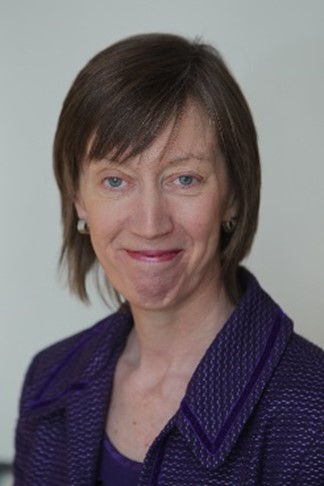
Professor Evelyn Collins CBE
Specialist topics:
- gender equality,
- equal rights,
- equality and human rights law
Professor Evelyn Collins CBE is Chair of the Parades Commission for Northern Ireland, appointed in January 2024. She is a Trustee on the Board of British-Irish Association and of the Abraham Initiatives UK and, since January 2026, President of The Irish Association. Evelyn is also an Honorary Professor of Practice at Queen’s University Belfast where she contributes to the work of its School of Law.
Evelyn was Chief Executive of the Equality Commission for Northern Ireland from March 2000 to February 2023 and Chair of the Board of Equinet, the European Network of Equality Bodies, from October 2013 to October 2017. She was also Chair of the Board of Trustees of the Equal Rights Trust from 2018 to January 2026 and a member of the National Statistician’s Inclusive Data Advisory Committee from October 2022 to March 2025.
Evelyn is a law graduate of Sheffield University and has Masters’ degrees from the University of Toronto (Criminology) and Queen’s University Belfast (Human Rights and Discrimination Law).
Evelyn has worked on equality issues since the 1980s, mostly in Northern Ireland but also as a national expert working on gender equality in the European Commission in Brussels and more widely through her engagement with Equinet and various EU projects.
Evelyn was a member of the European Commission’s Advisory Committee on Equal Opportunities between Women and Men from 1992 to 2020, serving as its President in 2005. Evelyn also served on the Board of the Chief Executives’ Forum in Northern Ireland from 2014 to 2020 and is a Fellow of the Royal Society of Arts.
Evelyn was awarded the CBE in 2008, for services to the public in Northern Ireland.
In July 2014, the University of Ulster awarded Evelyn the honorary degree of Doctor of Law (LLD) for her contribution to the promotion of equality and good relations.
Professor Anthony Heath
Professor Anthony Heath, CBE, FBA, Emeritus Professor of Sociology, Emeritus Fellow of Nuffield College
Specialist topics:
- social mobility,
- class and educational opportunity,
- nationalism and identity
Anthony was the founding Director of the Centre for Social Investigation at Nuffield College, Oxford. He is Emeritus Professor of Sociology at the University of Oxford and Professor of Sociology at Manchester University. He has interests in social mobility, ethnicity, religion, refugees and migrants and non-household population groups. As a member of the Inclusive Data Taskforce (IDTF) Anthony was particularly interested in ethnicity and religion, and data on residents of communal establishments. Anthony proposed the development of a ‘social contract’ (recommendation 1.1 from the IDTF) and advocated for the harmonisation of socio-economic background. He is currently leading an international team working on a module for the European Social Survey on public attitudes towards refugees and migrants.
Si Chun Lam
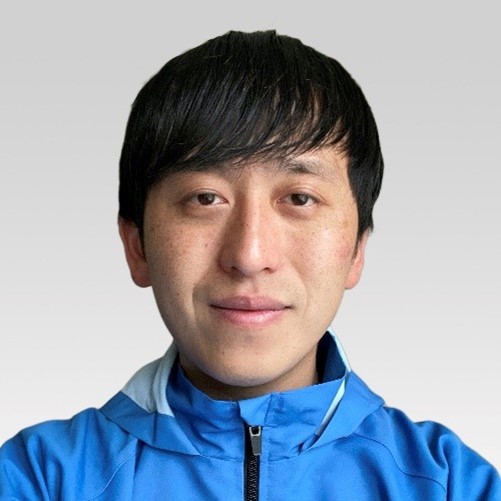
Si Chun Lam, Head of Research, Intelligence and Inclusive Growth at West Midlands Combined Authority
Specialist topics:
- Inclusive growth and wellbeing economies
- Collaborative, evidence-informed approaches at the local level
- Public health intelligence
Si Chun is Head of Research, Intelligence, and Inclusive Growth at the West Midlands Combined Authority (WMCA). In this role, Si Chun has championed a research programme aligned with strategic priorities, embedded ethical standards, and fostered a collaborative community of practice so that decisions are evidence-informed and impacts of regional interventions are evaluated. Though Si Chun’s work in embedding the region’s strategic commitment to Inclusive Growth into operational practice, Si Chun is committed to amplify seldom-heard voices to drive inclusive and systemic change.
Prior to joining WMCA, Si Chun transformed Coventry City Council’s approach to insight, analysis, and data by developing a citywide intelligence hub and built strong partnerships with regional universities to support a thriving research and intelligence ecosystem.
Beyond paid employment, Si Chun contributes to national conversations on the role of research and intelligence in shaping society; is a member of the Economy of Francesco, global movement working to build an economy that leaves no one behind; and serves as a trustee of Grapevine Coventry and Warwickshire, a charity that helps people work together to solve problems for good by strengthening individuals, sparking community, and shifting power.
Si Chun holds a master’s degree in Social Sciences Research from Loughborough University and a bachelor’s degree in Economics and International Development from the University of Bath.
Lela Kogbara
Lela Kogbara, Co-director, Place Matters
Specialist topics:
- equality,
- inclusion,
- employment
Lela has spent most of her personal and professional life trying to shift the needle on inequality and injustice. She is currently a co-director of Place Matters, which seeks to enable communities to take action within a place, inform a collaborative movement of place-based change, and influence the wider system through evidence, insight and learning.
She was previously a senior leader in the public sector for 25 years, including as an accountant in children’s services and assistant director responsible for data and ethnic minority achievement. She spent 16 of in the London Borough of Islington where she was Assistant Chief Executive until 2016. She had responsibility for a range of services including corporate policy and performance, communications, equalities, employment, adult and community learning, community safety, arts and culture and voluntary sector grants.
Lela was also previously advisor to Department of Education and NHS England and co-founder and director of Black Thrive Global. She is currently on the board of Social Finance, a trustee of DFN Project Search and The Liliesleaf Trust UK and on the advisory board of the British American Project.
Professor Melanie Jones
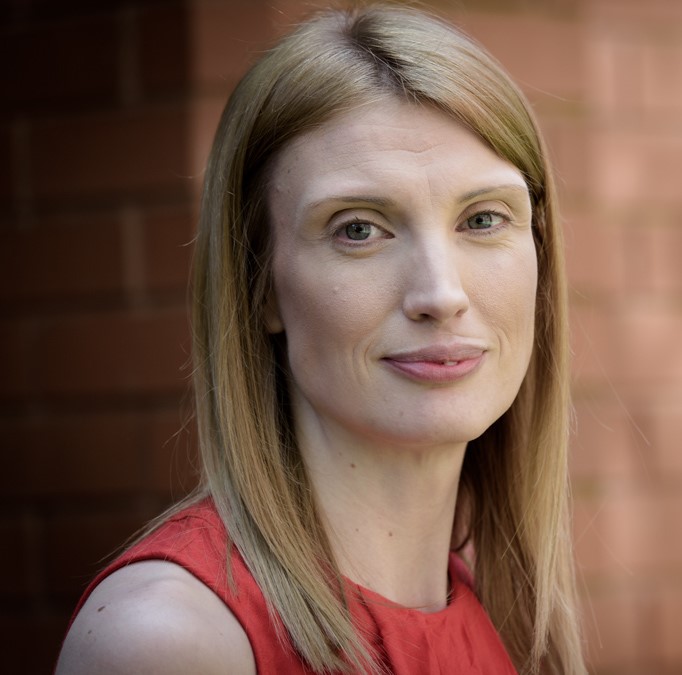
Professor Melanie Jones, Professor of Economics, Cardiff Business School
Specialist topics:
- Labour market inequality,
- disability,
- gender
Melanie’s research in empirical labour economics involves the quantitative analysis of large-scale secondary data. She has a particular expertise in gender equality and the interaction between health and the labour market. She is committed to using this evidence to inform policy and practice such as through the collaboration disability@work.
Melanie is an elected member of the Royal Economic Society Council and a member of the Trustee Board. She was a member of ESRC Grant Assessment Panel C (2021-2025) and is currently an associate editor at the British Journal of Industrial Relations and member of the Review Body on Doctors’ and Dentists’ Remuneration. She is also an ONS Fellow and member of their Economic Experts Working Group.
Darren McKinstry
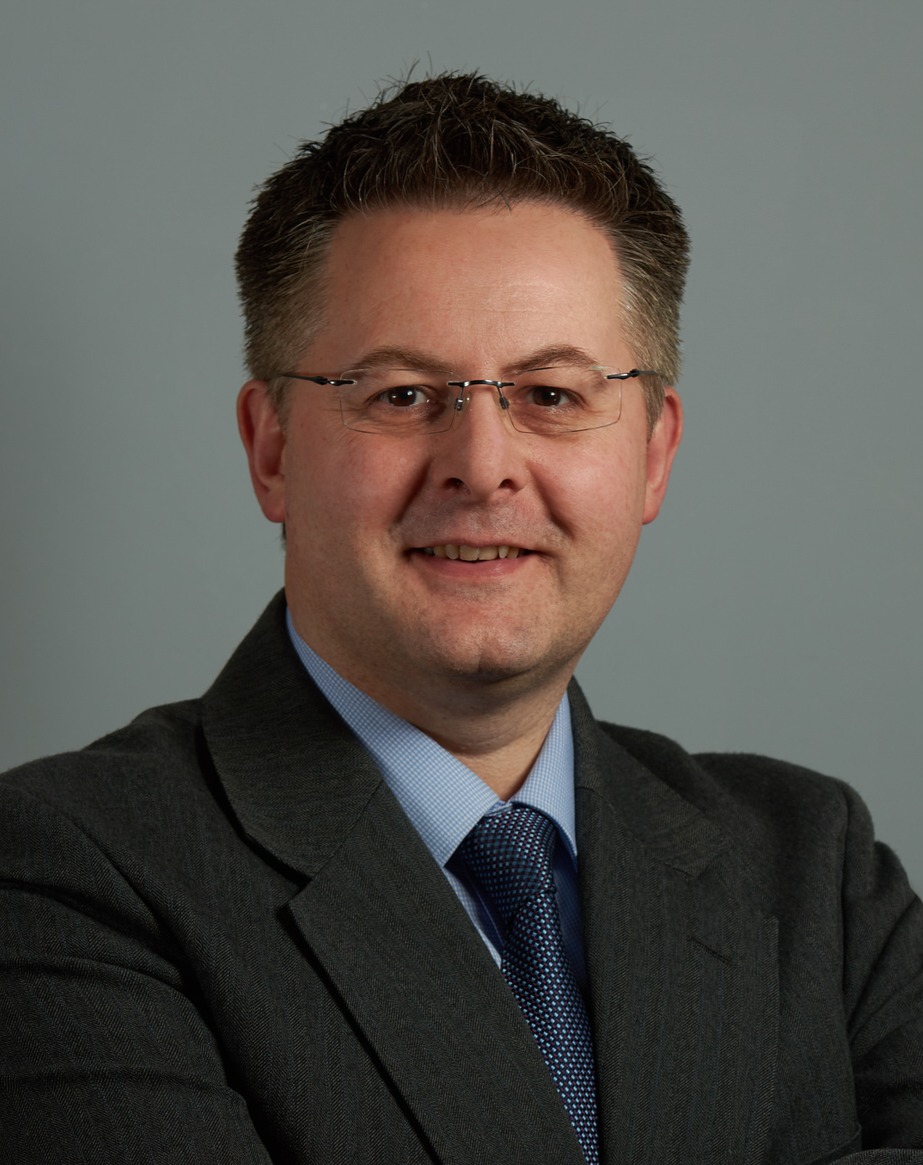
Darren McKinstry, Head of the Research and Information Service of the Northern Ireland Assembly.
Specialist topics:
- Research, evaluation and engagement
- equality in Northern Ireland
- involvement of protected interested groups
Darren McKinstry is the Head of the Research and Information Service of the Northern Ireland Assembly, leading a team of 45 staff to produce expert impartial analyses to inform parliamentary scrutiny and law making in Northern Ireland.
Darren has worked on inclusion and equality issues since the 1990’s, with experience in public policy, legislation and socio-economic research, and working with a range of protected characteristic communities.
He has held a number of public policy and research posts, most recently with the Equality Commission for Northern Ireland, including as Director of Public Policy and Strategic Engagement (2018 – 2025), Director of Policy and Research (2011 – 2018), and Director of Research, Evaluation and Knowledge Management (2005 – 2011). Prior to that he was a Research Fellow at the Queen’s University of Belfast, examining the social and geographical accessibility of employment, education and training. drawing on bespoke surveys and large data sources.
Darren has also served on a range of relevant advisory groups and committees – including the Northern Ireland Statistics Advisory Committee; the Irish Human Rights and Equality Commission’s (IHREC) Advisory Committee on the Future of Equality Legislation in Ireland; the European Network of Equality Bodies (EQUINET); the Office of the First Minister, deputy-First Minister (OFMdFM) Equality and Social Needs Research and Information Group; as well as a range of academic research and demographic advisory groups.
Darren is a geography graduate of the Queen’s University of Belfast and holds a Masters’ degree from the University of Edinburgh (Geographic Information Systems) and an Advanced Diploma (Management Practice) from the University of Ulster. He is currently a member of the Board of the Cathedral Quarter Arts Festival in Northern Ireland.
Professor Alice Sullivan
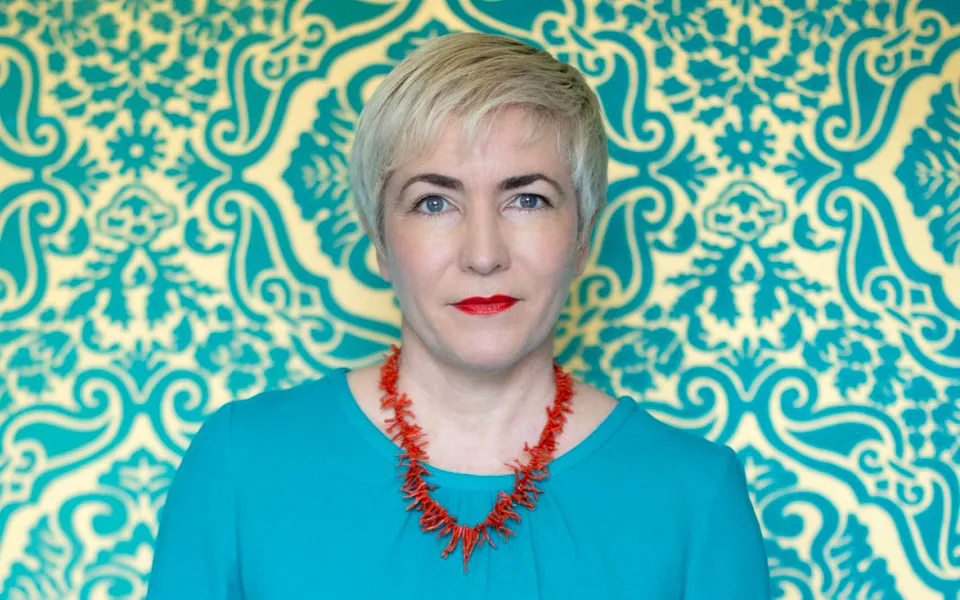
Professor Alice Sullivan, FacSS, Professor of Sociology, UCL Social Research Institute
Specialist topics:
- Social, educational and health inequalities
- Sex and gender
- Question design
Alice is Professor of Sociology at the UCL Social Research Institute. Her background is in quantitative and longitudinal analysis of social and educational inequalities, and she was Director of the 1970 British Cohort Study (BCS70) between 2010-2020. She is an expert on sex and gender and data collection. Her publications include Sullivan, A., & Todd, S. (Eds.). (2023). Sex and Gender: A Contemporary Reader, Routledge. She led the government-commissioned Sullivan Review of data, statistics and research on sex and gender, published in 2025.
Richard Laux
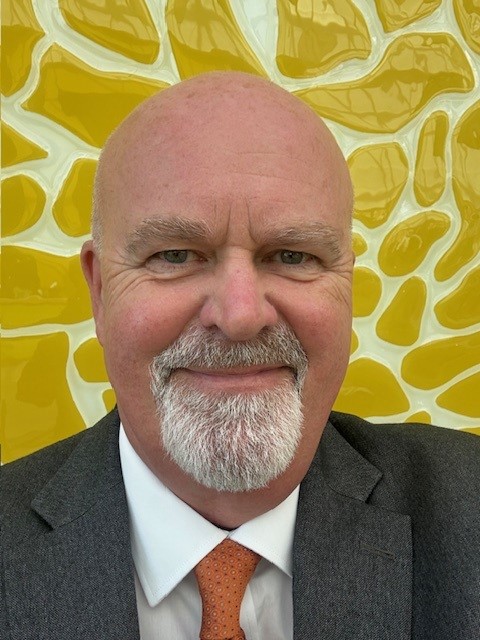
Richard Laux
Specialist topics:
- Statistical governance and harmonisation
- Statistical standards, Codes of Practice and peer review
- Race and ethnicity disparities
Richard is a retired Government statistician.
In his most recent post, he was the Cabinet Office’s Chief Statistician and led the Equality Data and Analysis Division, providing analytical support to the policy teams working with equalities ministers and working with ONS and others on methodological issues and statistical harmonisation.
Prior to that he worked in the Race Disparity Unit, helping to shape the Ethnicity facts and figures website.
He has extensive experience of most aspects of statistical production and governance, and is currently advising on the development of Lesotho’s national statistical system, and statistical quality management in Abu Dhabi.
Jagdev Singh Virdee MBE
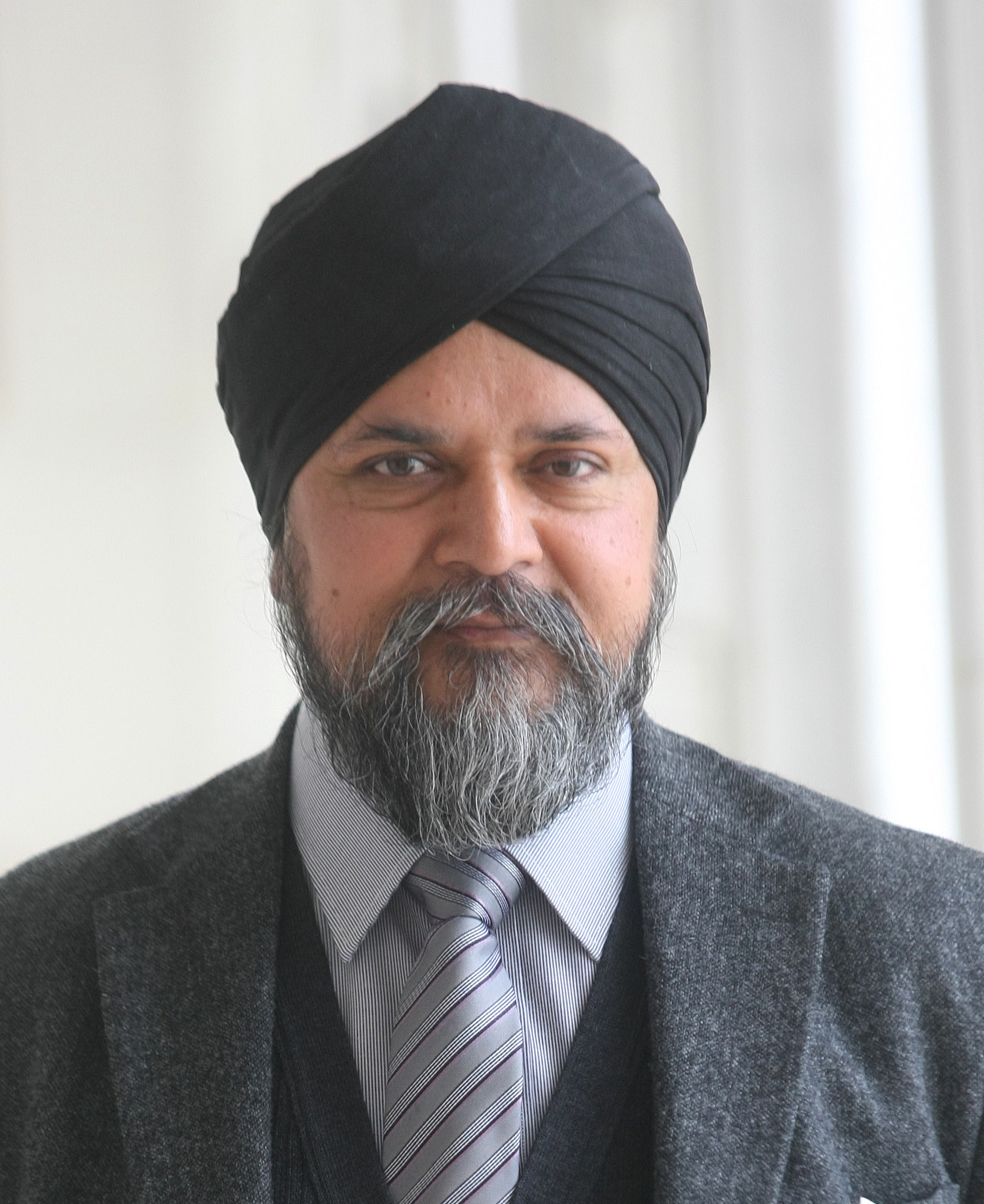
Jagdev Singh Virdee MBE
Specialist topics:
- Regional and Local Statistics, Official Statistics
- Statistics on Ethnicity and Religion
- Statistics on Sikhs living in UK
Jagdev Singh Virdee is an expert on official statistics, with extensive experience in the British and European Official Statistics Systems. After a career in the Government Statistical Service, he has continued to engage with Official Statistics through various voluntary activities. In June 2018, awarded the MBE for “Services to Statistics and to the Sikh Community”.
Main current statistical roles include:
- Forum of Statistics User Groups – Chair
- RSS Campion Award for Excellence in Official Statistics – Chair of Organising Committee and Judging Panel
- Fellow of the Royal Statistical Society (RSS)
- RSS Public Statistics Advisory Group – Member
- British Sikh Report (BSR) – Editor, Statistician and Lead Author. BSR is based on an annual survey of Sikhs living in Britain, providing annual statistics on views and situation of Sikhs relating to key issues such as gender equality, mental health, faith, organ donation, education, skills, employment, crime, etc.
Since retirement from the Civil Service, Jagdev has supported official statistics in many countries on behalf of UNDP, UNICEF, UNHABITAT, UNESCAP, OECD and the European Union and conducted Peer Reviews of 5 European countries’ National Statistics systems.
Jagdev also plays leading roles in several organisations relating to the Sikh community across the UK. These include:
- Gurdwara Aid – Executive Committee Member – an organisation that provides support and guidance for Gurdwaras across the country
- Guru Nanak Darbar Gurdwara (Gravesend) – General Secretary of the largest Gurdwara in Europe
- Kent Police – Independent Advisory Group Member
- NW Kent Inter Faith Forum – Vice Chair
- Kent Interfaith Network – member
Professor Wendy Sigle
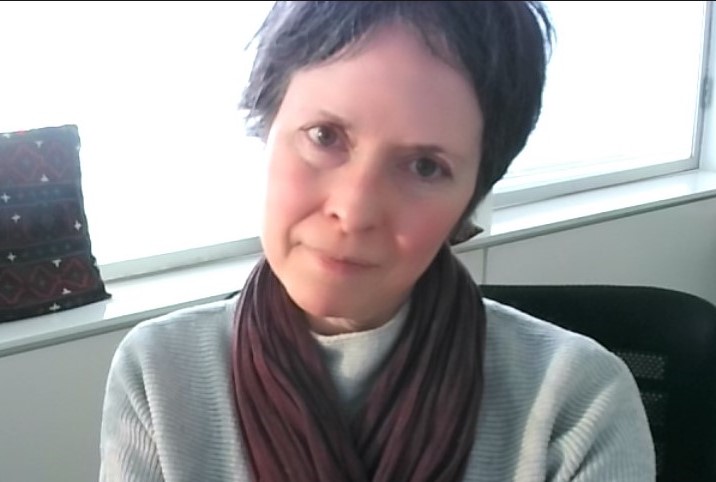
Professor Wendy Sigle
Specialist topics:
- Critical social policy
- Feminist epistemologies and quantitative methods
- Feminist economics and population studies
Wendy Sigle is Professor of Gender and Family Studies at the London School of Economics and Political Science. With a PhD in economics from Brown University, Wendy has worked on a variety of issues related to families and family policy in historical and contemporary societies.
Wendy’s current research brings a feminist critical perspective to the way micro-level quantitative methods are applied and how quantitative evidence is, often problematically, interpreted and used to inform policy. One strand of that research explores and evaluates the assumptions researchers often make when analysing secondary survey data or data drawn from official government records. This work explores the ways that a strong reliance on quantitative methods, the emphasis on causal inference, and the use and interpretation of demographic indicators such as age, ethnicity, nativity, and relationship status can exacerbate the marginalization of minority groups.
A second strand of research focuses on the validity of indicators of development or policy success. For example, how and with what effect are concepts like reproductive health or gender equality operationalized and used to depict success or “progress” cross-nationally or over time.
Register of Interests and former members
Register of Members’ Interests
| Name | Declaration of Interest |
|---|---|
| Professor Evelyn Collins, CBE (Chair) | • Chair, Parades Commission for Northern Ireland • President, The Irish Association • Trustee of British-Irish Association • Trustee of Abraham Initiatives UK • Honorary Professor of Practice, School of Law, QUB |
| Professor Anthony Heath, CBE, FBA | • Receives funding from the Social Mobility Commission (SMC) (via Nuffield College) for work on the SMC’s statutory State of the Nation reports |
| Si Chun Lam | • Trustee, Grapevine (Coventry and Warwickshire) Limited (Charity number: 1107969) • Advisory Board Member, University of Birmingham City-Region Economic Development Institute (City-REDI) |
| Lela Kogbara | • British American Project (Advisory Board) • DFN Project Search (Trustee) • The Liliesleaf Trust UK (Trustee) • NHS England Patient & Carer Race Equality Framework (PCREF) • Steering Group and Advancing Mental Health Equality Taskforce |
| Professor Melanie Jones | • Role as ONS fellow and member of the economics experts working group • An ESCOE Research Associate |
| Darren McKinstry | • Head of the Research and Information Service (RaISe) at the Northern Ireland Assembly • On the Trustee Board of the Cathedral Quarter Arts Festival in Belfast, Northern Ireland |
| Professor Alice Sullivan | No interests declared |
| Richard Laux | No interests declared |
| Jagdev Singh Virdee MBE | No interests declared |
| Professor Wendy Sigle | No interests declared |
Former members
- Professor Uzo Iwobi (from 12 September 2022 to 31 March 2025)
- Professor Shannon Vallor (from 12 September 2022 to 31 March 2025)
- Sir Tom Shakespeare (from 12 September 2022 to 31 March 2025)
- Nitesh Prakash (21 June 2023 to 31 March 2025)
- Dame Julia Cleverdon (Chair from September 2022 to March 2025)
- Professor Jenny Gibson (from 12 September 2022 to 28 January 2025)
- Sam Freedman (from 12 September 2022 to 11 December 2024)
- Tina Chui (from 12 September 2022 to 11 December 2024)
- Dr Milly Zimeta (from 12 September 2022 to 13 November 2024)
For any queries or advice, please contact the NSIDAC secretariat at equalities@ons.gov.uk